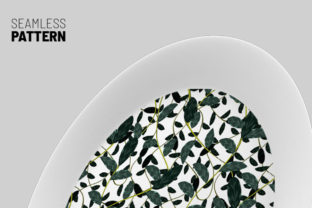
Flower and Branches Seamless Design: Elevating Creative Projects with Organic Vector Patterns
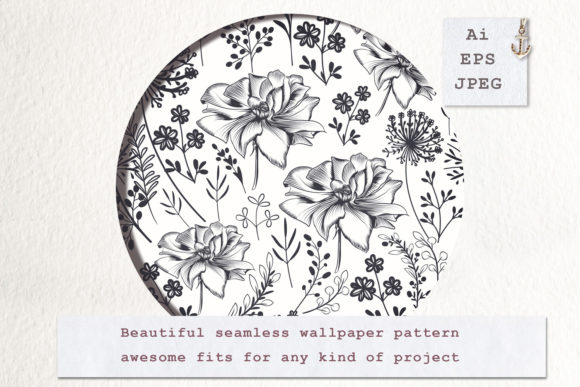
When you are staring at a blank canvas in Illustrator or trying to finalize a packaging mockup at 2 AM, the difference between a good design and a great one often comes down to texture. A Flower and Branches Seamless Design provides that essential organic layer that makes digital work feel tangible and alive. Unlike raster images that pixelate when stretched, this vector-based asset offers infinite scalability without losing the delicate hand-drawn aesthetic of individual petals and stems. It is not just a background; it is a foundational element that brings the freshness of spring and the complexity of nature into commercial and personal projects alike.
The true value of this specific seamless pattern lies in its versatility. Because it is constructed as a vector object fully scalable and color-filled with the mesh tool, it bridges the gap between artistic illustration and practical graphic design. You aren't locked into a single color palette or size. Whether you are designing a wedding invitation suite that needs soft pastels or an eco-friendly product label requiring deep forest greens, the underlying structure remains crisp. This adaptability saves precious time, allowing you to focus on layout and typography rather than redrawing flora from scratch.
Real-World Applications Across Industries
The most common question designers face is not "how do I use this?" but "where does this actually add value?" The application of floral seamless patterns extends far beyond simple scrapbooking. In professional environments, these assets solve specific visual problems across multiple sectors.
Fashion and Textile Manufacturing
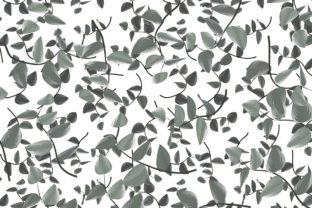
In the fashion industry, particularly for boutique brands and sustainable clothing lines, print design is everything. A Flower and Branches Seamless Design serves as the blueprint for fabric printing. Because the file includes EPS and high-resolution PNG formats, textile designers can manipulate the scale to suit different garments. A large-scale bloom might work beautifully on a flowing maxi dress, while a tightly scaled, dense leaf pattern could be perfect for a silk scarf or lining. The hand-drawn quality ensures the fabric doesn't look like mass-produced clip art; it retains the imperfections and flow that consumers associate with artisanal quality. Furthermore, the ability to recolor the vector means a single design can spawn an entire seasonal collection, maintaining brand consistency while offering variety.
Packaging and Eco-Conscious Branding
For brands in the beauty, wellness, and organic food spaces, communicating "natural" through visuals is mandatory. However, stock photos of leaves can sometimes feel generic. A custom-style vector pattern adds a layer of bespoke branding. Imagine a honey jar label where the flower and branches wrap seamlessly around the curvature of the glass, or a cosmetic box where the pattern acts as a subtle watermark on uncoated recycled paper. The isolated nature of the elements allows packaging designers to create custom frames or borders that guide the eye toward the logo or product name without overwhelming the necessary regulatory text. The green and natural symbolism inherent in the design instantly communicates environmental responsibility and botanical purity to the shopper.
Stationery and Event Design
Wedding planners and stationers understand that trends move fast, but classic floral motifs remain evergreen. This type of seamless background is invaluable for creating cohesive event identities. It can be applied to save-the-dates, menu cards, table numbers, and even large-format welcome signs. The benefit here is the "seamless" aspect; when printing large welcome boards or wrapping paper, there are no visible repeat lines or awkward cutoffs. For digital invitations, the lightweight JPEG and PNG versions ensure fast loading times on mobile devices while still looking sharp on retina screens. Designers can easily adjust the opacity to use the pattern as a textured overlay on solid colors, adding depth to minimalist layouts without increasing ink costs during printing.
Navigating Technical Flexibility and Customization
Understanding the technical strengths of this asset helps in maximizing its potential. The inclusion of an EPS file is significant for professional workflows. Unlike flat images, the EPS format preserves the mathematical paths of the flowers, leaves, and branches. This means you can open the file in Adobe Illustrator, CorelDRAW, or Affinity Designer and fundamentally alter the artwork.
If your project requires a specific Pantone match, you can select all green elements and shift them to your brand color in seconds. If the composition feels too heavy for a business card, you can delete specific branch clusters to create more negative space. The mention of the "bucket mesh tool" indicates that the coloring method allows for smooth gradients and shading within the vector environment, which is often difficult to achieve with standard flat fills. This results in a pattern that has volume and dimension, avoiding the sterile look of basic vector art.
For users who do not have access to advanced vector software, the included PNG and JPEG files provide immediate utility. These are ready-to-use assets for web design, social media templates, or digital presentations. The transparency in the PNG version (if applicable based on the isolated description) allows for layering over photographs or colored backgrounds, making it a powerful tool for Canva users or marketers creating quick ad creatives.
Strategic Considerations Before Implementation
While a Flower and Branches Seamless Design is incredibly useful, successful integration requires thoughtful consideration. Not every floral pattern suits every context. Before applying this asset, consider the visual weight and density of the design relative to your content.
- Contrast and Legibility: Floral patterns are inherently busy. If you plan to place text directly over the pattern, ensure there is sufficient contrast. You may need to add a semi-transparent white or dark overlay between the pattern and the text to maintain readability. Alternatively, use the pattern only in the margins or as a border frame.
- Scale Appropriateness: Context dictates scale. A pattern that looks elegant on a laptop screen might become overwhelming when printed on a billboard or trade show banner. Always test the physical size of the repeat unit. For large format printing, you want larger individual flowers to avoid a dizzying effect. For small items like jewelry tags, a tighter, smaller scale prevents the details from getting lost.
- Color Psychology: While the default green and blossom palette suggests growth and spring, consider if this aligns with your message. Green implies eco-friendliness and health, but if you are designing for a luxury evening event, you might want to shift the palette to gold, navy, or burgundy using the vector editing capabilities. The association between color and emotion is just as important as the shape of the leaves.
- Licensing and Uniqueness: Always verify the usage rights associated with the help file. Understanding whether you can use the pattern for commercial end-products versus personal projects protects your business. Additionally, because popular vector assets can be widely used, consider how you can modify the design to make it unique to your project. Rotating elements, changing colors, or combining this pattern with other textures can prevent your work from looking identical to others using the same resource.
Enhancing Workflow Efficiency
Time is often the scarcest resource for creative professionals. Hand-drawing a botanically accurate, seamless repeating pattern from scratch can take dozens of hours. It requires sketching, inking, digitizing, cleaning up anchor points, and meticulously arranging the tile so edges match perfectly. By utilizing a pre-made, professionally structured vector asset, you bypass the technical tedium and jump straight to the creative application phase.
This efficiency does not mean sacrificing quality. On the contrary, starting with a high-quality foundation allows you to spend more time on the strategic aspects of design: refining the hierarchy, perfecting the typography, and ensuring the final output resonates with the target audience. Whether you are a solo freelancer juggling multiple clients or an in-house designer meeting tight deadlines, having reliable, modifiable assets like this flower and branches design in your library transforms how you approach surface pattern design. It turns a potential bottleneck into a streamlined part of your creative process, ensuring that the natural beauty of flora enhances your work rather than complicating it.