Floral Black and White Pattern Design: Versatile Greyscale Digital Paper for Creative Projects
In the world of surface design and digital crafting, few aesthetics offer the enduring versatility of a floral black and white pattern design. This specific style strips away the distraction of color to focus entirely on form, contrast, and composition. When utilizing greyscale digital paper featuring leaves, branches, and flowers over an inked background, creators gain access to a foundational asset that bridges the gap between vintage elegance and modern minimalism. Understanding how to leverage this monochromatic palette is essential for designers, crafters, and small business owners looking to produce high-quality textiles, wrapping paper, and stationery without the complexity of color matching.
Understanding the Aesthetic and Technical Value
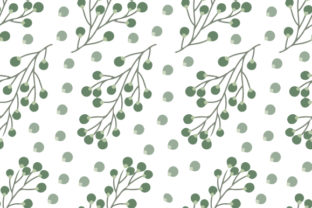
A floral black and white pattern design is more than just an absence of color; it is a deliberate study in tonal balance. The inclusion of an inked background adds a layer of organic texture that flat vector graphics often lack. This texture mimics traditional printmaking techniques like linocut or lithography, providing depth and tactile interest even when viewed digitally or printed on smooth paper. The interplay of dark ink against negative space creates a visual rhythm that guides the eye across the composition of leaves and botanical elements.
From a technical standpoint, working with high-resolution greyscale assets solves several common production challenges. Color management can be notoriously difficult when transitioning from screen to print. RGB colors often appear duller in CMYK print formats, leading to disappointment in the final product. By starting with a black and white base, you eliminate color shifting variables entirely. The specific dimensions of 2862 pixels wide by 2362 pixels high at 300 DPI ensure that the file meets professional printing standards. At these specifications, the digital paper covers a physical area of approximately 24.23 cm by 20 cm (9.54 in by 7.87 in), which is an ideal scale for repeat patterns in textile manufacturing and standard greeting card sizes.
Solving Common Design Challenges with Monochrome
Many creators face specific hurdles when developing new product lines or personal projects. A floral black and white pattern design serves as a practical solution to three primary issues: budget constraints, stylistic cohesion, and customization limitations.
Budget and Inventory Efficiency: For small businesses producing physical goods like wrapping paper or fabric, stocking multiple colorways requires significant capital investment. A sophisticated greyscale design allows you to offer a neutral option that appeals to a broad demographic. It acts as a universal coordinator, matching any seasonal theme or interior decor style without requiring separate inventory SKUs for every color trend.
Visual Cohesion in Mixed Media: Crafters often struggle to combine different elements without creating visual chaos. Because this pattern relies on value rather than hue, it serves as an excellent unifying backdrop. Whether you are layering colorful typography over the top or combining it with solid colored fabrics, the black and white floral motif grounds the composition without competing for attention.
Customization Flexibility: Perhaps the greatest advantage of greyscale digital paper is its malleability. If you eventually decide color is necessary, a black and white base is the perfect candidate for digital recoloring. Using blending modes like "Multiply," "Overlay," or "Gradient Map" in image editing software, you can instantly transform the inked background into navy, sepia, or blush pink while retaining all the original textural details. This extends the lifespan of a single asset exponentially.
Practical Applications Across Mediums
The utility of this specific composition extends across various creative disciplines. Here is how different users can implement this floral black and white pattern design effectively:
Textile and Fashion Design
For fashion designers and quilters, the 300 DPI resolution is non-negotiable. Low-resolution files result in pixelated prints that look unprofessional on fabric. This high-definition asset ensures that the fine details of the branches and flower petals remain crisp when scaled for yardage. The inked background texture translates particularly well to natural fibers like cotton and linen, where the slight imperfections of the ink mimic the weave of the cloth. Consider using this pattern for lining jackets, creating quilt backing, or designing scarves where a timeless, gender-neutral aesthetic is desired.
Stationery and Card Making
The dimensions of 9.54 inches by 7.87 inches make this digital paper exceptionally useful for stationery. It provides ample coverage for standard A7 greeting cards and envelopes without needing excessive tiling. Stationery designers can utilize the darker areas of the inked background for placing white text, creating a striking inversion effect. Alternatively, the lighter sections serve as perfect spaces for handwritten notes or stamped sentiments. For wedding invitations, this pattern offers a formal yet organic vibe that suits both rustic and black-tie themes.
Packaging and Wrapping Paper
Wrapping paper demands a pattern that looks good when folded, crinkled, and viewed from a distance. High-contrast black and white designs excel here because they maintain visibility even in low light or when obscured by folds. The botanical composition of leaves and branches creates a continuous flow that doesn't have a jarring "up" or "down" orientation, making wrapping easier and reducing waste. Small business owners can use this JPG file to create custom packaging sheets that elevate the unboxing experience without the cost of full-color offset printing.
Considerations for Implementation and Best Practices
To maximize the effectiveness of your floral black and white pattern design, keep the following implementation tips in mind:
- Check Contrast Levels: Before printing, verify that the greyscale values have sufficient separation. If the inked background is too dark and the flowers are also dark, the detail will be lost in print. Adjust levels or curves to ensure the mid-tones are distinct.
- Mind the Repeat: While the individual file is 24.23 cm wide, always test your seam allowance if you plan to tile the image for large-scale textile printing. Use the clone stamp tool or offset filters to blend edges seamlessly before sending to a printer.
- Paper Choice Matters: The inked background texture interacts differently with various paper stocks. On matte paper, the black and white pattern will look soft and vintage. On glossy paper, the contrast will appear sharper and more modern. Choose your substrate based on the emotional response you want to evoke.
- Scale Appropriately: At 300 DPI, this file is print-ready at roughly 9.5 x 7.8 inches. If you need to enlarge it significantly for upholstery or drapery, consider using AI upscaling tools specifically trained on line art to prevent blurring, or embrace the softer look as part of the vintage aesthetic.
Tailoring the Approach to User Goals
Different creators will approach this floral black and white pattern design with varying objectives, and the asset supports multiple workflows. A digital planner enthusiast might use the JPG as a tablet wallpaper or digital journal background, appreciating the e-ink friendly contrast. A surface pattern designer might use it as a base layer to practice adding color overlays, treating it as an educational tool for understanding value structures. A DIY home decorator might print the file onto adhesive vinyl to create custom drawer liners or shelf paper.
Ultimately, the strength of greyscale botanical digital paper lies in its role as a canvas. It removes the decision fatigue associated with color palettes, allowing you to focus on layout, application, and craftsmanship. Whether you are producing commercial textiles or handmade cards, this high-resolution, ink-textured composition provides a reliable, professional foundation that adapts to your specific creative needs. By prioritizing quality resolution and versatile tonal range, you ensure that your final output remains sharp, elegant, and commercially viable.