Floral Backgrounds Papers Rachel: Strategic Asset Management for Digital Creators
In the competitive landscape of digital design and content creation, visual assets are not merely decorative elements; they are foundational components of brand identity and operational efficiency. The Floral Backgrounds Papers Rachel collection represents a specific category of high-resolution digital resources that, when utilized strategically, can significantly enhance project outcomes for entrepreneurs, educators, marketers, and creative professionals. Understanding the technical specifications and strategic applications of this set allows decision-makers to move beyond simple aesthetic appreciation toward intentional asset deployment that supports broader business and creative goals.
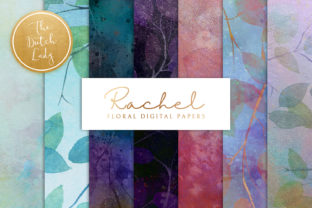
This collection comprises seven distinct digital paper image files designed for versatility across print and digital mediums. However, maximizing the return on investment for these assets requires more than downloading and applying them randomly. It demands a clear understanding of file architecture, resolution capabilities, and appropriate use cases. By treating Floral Backgrounds Papers Rachel as a strategic resource rather than a generic clip-art pack, creators can streamline workflows, maintain visual consistency, and elevate the perceived value of their final products.
Technical Specifications as Operational Constraints and Opportunities
Before integrating any digital asset into a production workflow, it is essential to understand its technical boundaries. The Floral Backgrounds Papers Rachel set is engineered with specific parameters that dictate how and where it should be used. Each of the seven files is delivered in .JPEG format at a resolution of 300dpi with dimensions of 3600x3600 pixels. This equates to a physical print size of 12x12 inches, which is the industry standard for scrapbooking and many square-format marketing materials.
The 300dpi resolution is a critical metric for professionals. This density ensures that the floral patterns remain crisp and artifact-free when printed at full size or scaled down for smaller applications like business cards or product packaging. For digital-only projects, this high resolution provides ample headroom for cropping and zooming without degrading image quality. However, users must recognize that these patterns are not seamless. This distinction is vital for planning. Unlike seamless textures that can be tiled infinitely to cover large areas, these fixed-dimension images require thoughtful composition. They function best as standalone backgrounds, centered focal points, or elements within a larger collage, rather than as repeating website headers or wrapping paper patterns.
Furthermore, the .JPEG format offers universal compatibility but lacks the transparency of PNG or the editability of vector files. This means that if your project requires isolating specific floral elements from the background, you will need to employ masking techniques in your editing software. Recognizing these technical realities upfront prevents mid-project bottlenecks and ensures that the asset aligns with your intended output before work begins.
Strategic Applications Across Business and Creative Verticals
The versatility of Floral Backgrounds Papers Rachel extends far beyond traditional scrapbooking. For modern professionals, these assets serve multiple strategic functions depending on the context of their application.
Brand Identity and Visual Consistency
For small business owners and freelancers, maintaining a cohesive visual identity is often a challenge due to budget constraints. Custom illustration is expensive, while stock photography can feel generic. This digital paper set offers a middle ground: premium, curated aesthetics that can serve as a recurring motif across various touchpoints. Using these specific floral patterns as a base for social media templates, newsletter headers, or product photography backdrops creates a recognizable brand thread. Because the set contains seven coordinated designs, it provides enough variety to prevent visual fatigue while maintaining sufficient stylistic unity to reinforce brand recognition.
Product Development and Merchandising
Entrepreneurs in the print-on-demand or handmade goods space can leverage these 12x12 inch high-resolution files as direct production assets. The 300dpi specification makes them suitable for printing on mugs, t-shirts, wall art, and apparel. Strategically, this allows for rapid prototyping of new product lines without the lead time associated with commissioning original art. When using these files for merchandise, consider the placement carefully. Since the patterns are non-seamless, center-aligned designs or border-focused compositions often yield better results on physical products than edge-to-edge coverage, which might reveal hard borders on larger items.
Digital Content and User Experience
Bloggers, educators, and digital publishers can utilize these papers to enhance user experience through visual hierarchy. A well-chosen background can frame text content, reduce eye strain compared to stark white backgrounds, and evoke an emotional tone that supports the written message. For digital photo albums or portfolio websites, Floral Backgrounds Papers Rachel can provide a sophisticated container for showcasing work. The key here is restraint; the background should support the primary content, not compete with it. Adjusting opacity or applying overlay filters in your editing software can help integrate these bold floral patterns subtly into functional digital interfaces.
Workflow Integration and Software Requirements
Effective utilization of digital papers requires appropriate tooling. As noted in the product guidelines, editing these files necessitates dedicated image editing software. Relying on basic viewing tools or simplistic mobile apps will limit your ability to maximize the asset's potential. Professionals should ensure they have access to platforms like Adobe Photoshop, Affinity Photo, GIMP, or Procreate, and possess the competency to perform layer management, color correction, and masking.
When incorporating Floral Backgrounds Papers Rachel into a workflow, establish a standardized process:
- Asset Organization: Store the seven JPEG files in a clearly labeled directory within your project management system. Tag them with relevant metadata (e.g., "floral," "botanical," "spring," "12x12") to ensure they are discoverable during future projects.
- Non-Destructive Editing: Always work on copies or use smart objects/layers. Never overwrite the original 3600x3600 source files. Preserving the master files ensures you can always return to full resolution for different applications.
- Color Profiling: If transitioning between digital screens and physical print, verify color profiles. JPEGs may be in RGB (screen) or CMYK (print). Converting between these spaces incorrectly can shift floral hues unexpectedly. Calibrate your workflow to match the intended output medium.
- Composition Planning: Given the non-seamless nature, sketch or mock up your layout before committing. Determine whether the floral pattern serves as the hero element or a supporting texture. This intentionality prevents wasted time forcing an asset into an unsuitable role.
Risk Mitigation and Intentional Decision-Making
While high-quality digital assets offer significant advantages, their misuse can lead to subpar results or legal complications. Strategic use involves recognizing potential risks and mitigating them proactively.
Licensing and Commercial Use: Before deploying Floral Backgrounds Papers Rachel in any commercial capacity—whether for client work, products for sale, or monetized content—verify the specific license terms associated with the purchase. Assumptions about usage rights can lead to infringement issues. Clarify whether attribution is required, if there are limits on print runs, or if digital redistribution is prohibited. This due diligence is a non-negotiable aspect of professional asset management.
Aesthetic Misalignment: Floral patterns carry strong connotations. They can signal femininity, tradition, nature, or vintage aesthetics depending on the style. Ensure that the specific mood of the Rachel collection aligns with your target audience and communication goals. Using a delicate botanical background for a tech startup’s cybersecurity whitepaper, for example, could create cognitive dissonance that undermines credibility. Conversely, using it for a wellness brand or wedding stationery would likely enhance resonance. Always evaluate the semantic meaning of the visual against your strategic objectives.
Over-Reliance on Assets: Digital papers should complement original creativity, not replace it. There is a risk of producing work that looks templated or derivative if these backgrounds are used without additional customization. To mitigate this, combine Floral Backgrounds Papers Rachel with unique typography, custom photography, or original illustrations. Treat the digital paper as one layer in a multi-faceted composition rather than the entirety of the design solution.
Evaluating Long-Term Value and ROI
When assessing whether to integrate this specific set into your resource library, consider the long-term value proposition. Seven high-resolution, multi-purpose files at 300dpi represent a scalable asset. The cost-per-use decreases significantly over time as the files are repurposed across seasons, campaigns, and product iterations. Unlike trend-driven graphics that expire quickly, classic floral motifs often possess longevity, allowing for sustained utility.
However, value is only realized through active, skilled application. The requirement for image editing software and technical knowledge acts as a filter; it ensures that those who use these assets effectively are those willing to invest in the necessary craftsmanship. For professionals committed to quality, Floral Backgrounds Papers Rachel offers a reliable foundation that balances aesthetic appeal with technical rigor. By approaching these digital papers with strategic intent—respecting their specifications, aligning them with clear goals, and executing them with professional competence—creators can transform simple JPEG files into powerful drivers of visual communication and business growth.
Ultimately, the decision to use this collection should be rooted in a clear understanding of your current needs and future plans. If your projects demand high-resolution, non-seamless floral aesthetics and you possess the technical capability to manipulate them effectively, this set serves as a valuable addition to your digital toolkit. If your needs require seamless tiling or vector scalability, alternative resources may be more appropriate. Making this distinction is what separates reactive downloading from strategic asset curation.