Floral Cute Easter Bunny Cut Template Guide
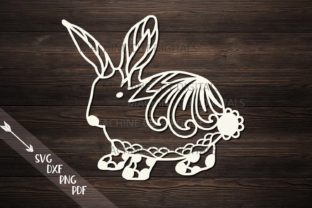
Spring crafting season arrives with a distinct visual language, and the Floral Cute Easter Bunny Cut Template captures that aesthetic perfectly. This design asset bridges the gap between traditional holiday nostalgia and modern maker culture. Visually, it combines the soft, organic lines of spring florals with the universally recognized silhouette of an Easter bunny. The personality of this template is inherently gentle and inviting, making it an ideal centerpiece for projects that need to convey warmth, renewal, and playful elegance. Unlike generic clip art, a well-structured cut file offers clean vector paths that maintain integrity whether you are scaling it down for a gift tag or enlarging it for a wooden porch sign.
For designers and small business owners, the value lies in this versatility. The template serves as more than just a seasonal decoration; it acts as a foundational element for brand identity during the spring quarter. When integrated into packaging design or social media graphics, it establishes an immediate emotional connection with the audience. The floral elements add texture and complexity to what could otherwise be a simple animal outline, creating visual hierarchy that guides the viewer’s eye. This balance ensures the design remains readable and engaging across various mediums, from intricate paper cards to bold vinyl decals.
Material Versatility and Technical Compatibility
A premium cut template must perform reliably across different substrates, and this design is engineered for both hand and machine cutting. Understanding how the Floral Cute Easter Bunny Cut Template interacts with specific materials is crucial for professional results. When working with paper, the intricate floral details require a sharp blade and appropriate mat tackiness to prevent tearing. For cardstock projects like scrapbooking or invitation layers, the design adds depth without overwhelming the layout. In contrast, when cutting adhesive vinyl for tumblers or window clings, the connected paths ensure easy weeding. The design avoids isolated islands that often plague lesser-quality files, streamlining the production process for high-volume orders.
Wood and acrylic applications demand a different approach. Laser cutters benefit from the optimized vector paths found in the SVG and DXF files, producing char-free edges on basswood or plywood. For CNC routers or thicker materials, the design’s line weight may need adjustment to prevent fragility. The included file formats ensure compatibility with industry-standard hardware. SVG and DXF files integrate seamlessly with Cricut Design Space, Silhouette Studio, and Cameo software, preserving node placement and curve smoothness. This technical reliability reduces trial-and-error waste, allowing creators to focus on assembly and finishing rather than troubleshooting broken cut lines.
Maximizing the Included File Formats
The utility of this design asset extends beyond digital cutting machines through its comprehensive file package. Each format serves a distinct purpose in the creative workflow:
- SVG Files: These are the primary vectors for electronic cutting machines. They support infinite scaling without pixelation and allow for color layer separation within cutting software. Use these for multi-color vinyl projects or layered paper art.
- DXF Files: Essential for users of the basic edition of Silhouette Studio or older machine models. DXF maintains geometric precision and is also the preferred format for laser cutting software like LightBurn, ensuring accurate burn paths.
- PNG (300 DPI): High-resolution raster images with transparent backgrounds are vital for digital design. Use these for sublimation printing, web design, social media overlays, or mockups where vector editing isn't necessary. The 300 DPI standard ensures print clarity.
- PDF: Often overlooked, the reversed-outlined PDF is indispensable for hand cutting or tracing. It provides a crisp black line art reference for those who prefer traditional scissors, X-Acto knives, or stencil work. It also serves as a reliable proofing document before committing to a machine cut.
Having access to this full suite of design assets eliminates the need for third-party conversion tools, which can sometimes corrupt nodes or alter proportions. By using the native files provided, you maintain the designer's original intent and ensure consistent output across all project types.
Strategic Applications in Branding and Editorial Design
While primarily a graphic element, the Floral Cute Easter Bunny Cut Template functions similarly to a display font or script font in establishing tone. Just as a handwritten typeface suggests intimacy, this visual motif signals artisanal quality and seasonal relevance. For content creators and publishers, incorporating this template into editorial layouts or blog headers breaks up text-heavy content with organic shapes. It acts as a visual anchor, improving readability by providing white space and focal points. In packaging design, it can serve as a window decal, a box sleeve accent, or a custom sticker that elevates unboxing experiences.
Brand consistency is another critical consideration. Small businesses selling spring-themed products can use this template as a recurring motif across tags, labels, and marketing emails. This repetition builds recognition much like a logo or commercial font pairing would. However, it is important to evaluate project fit carefully. The whimsical nature of this design pairs best with sans serif or soft serif typography. Avoid combining it with overly rigid or industrial typefaces, as the clash can undermine the cohesive aesthetic. Test pairings digitally before cutting physical samples to ensure the visual weight of the bunny balances with your chosen text.
Practical Guidance for Professional Results
Successful implementation requires attention to detail beyond simply hitting "cut." Always perform a test cut when switching materials, especially with intricate floral sections. Vinyl thickness, paper grain, and wood density all affect blade performance. If hand cutting via the PDF template, consider transferring the design to tracing paper first to preserve the original print. For digital applications, verify that the PNG resolution matches your output size; stretching a 300 DPI image beyond its intended dimensions will result in pixelation that detracts from the professional finish.
Licensing and usage rights should always be reviewed before commercial deployment. While the template is versatile, understanding whether it permits end-product sales versus digital redistribution protects your business. Additionally, consider customization. Modifying the floral elements or adjusting the bunny’s expression in vector software can create unique variations that distinguish your brand from others using the same base asset. This level of adaptation transforms a standard cut file into a proprietary design element.
Ultimately, the Floral Cute Easter Bunny Cut Template is a tool for storytelling. Whether used for a child’s Easter basket tag, a boutique’s spring collection launch, or a personal journaling spread, its success depends on thoughtful application. By respecting the technical requirements of each file format and aligning the design’s inherent personality with your project goals, you create work that resonates authentically with your audience. The intersection of quality assets and skilled execution is what separates hobbyist crafts from professional design, and this template provides the solid foundation needed to achieve that standard.