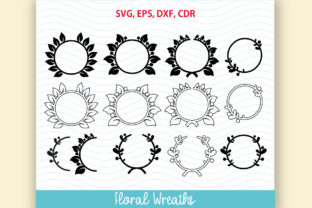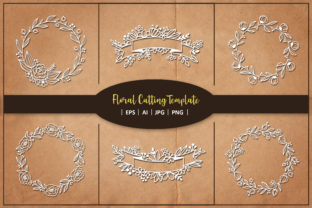
Beautiful Flower Floral Cut File Element Guide
Elevating a creative project often comes down to the precision and versatility of the assets you choose. The Beautiful Flower, Floral Cut File Elemen serves as a foundational tool for makers who require professional-grade vector graphics without the steep learning curve of drawing complex botanicals from scratch. This digital asset is specifically engineered to bridge the gap between digital design and physical fabrication, ensuring that whether you are operating a Cricut Maker, a Silhouette Cameo, or an industrial laser cutter, the transition from screen to material is seamless. Understanding the technical composition and practical application of this file set allows creators to maximize efficiency while maintaining high aesthetic standards across various mediums.
Versatility Across Cutting Machines and Materials
The primary value of this floral cut file lies in its universal compatibility with modern fabrication tools. Unlike raster images that pixelate when manipulated, this design is optimized for both hand and machine cutting. For users of electronic cutting machines like Cricut and Silhouette, the clean vector paths mean fewer jagged edges and reduced blade wear. The nodes are placed intentionally to ensure smooth curves, which is critical when working with delicate materials like adhesive vinyl or heat transfer vinyl (HTV). A poorly optimized file can cause the blade to stutter or tear thin media, but this element is structured to maintain continuous motion during the cutting process.
Beyond standard vinyl applications, the design’s integrity holds up when translated to thicker substrates. Laser cutter operators will find that the lines are sufficiently spaced to prevent scorching on wood or acrylic, while still retaining intricate petal details. When working with basswood or balsa, the distinct separation of layers allows for dimensional stacking, creating depth that flat printing cannot achieve. For those engaging in traditional paper crafting or scrapbooking, the file provides a reliable template for hand cutting with precision knives, offering a guide that eliminates guesswork and ensures symmetry in every repetition of the motif.
Scalability Without Quality Loss
One of the most significant advantages of utilizing this specific floral element is the ability to resize without degradation. In professional design workflows, flexibility is non-negotiable. You may need to shrink the flower to fit a 2-inch jar label or expand it to cover a 24-inch wooden sign. Because the source files are true vectors, the mathematical relationships between points remain constant regardless of scale. This eliminates the common frustration of blurry edges or lost detail that occurs when stretching standard image formats. This scalability supports diverse project scopes, allowing freelancers and small business owners to use a single asset for everything from wedding stationery to large-format retail signage.
Understanding the Included File Formats
The download includes a ZIP file containing AI, EPS, PNG, and JPG formats, each serving a distinct purpose in the production pipeline. Knowing when to deploy each format streamlines workflow and prevents technical errors.
- AI (Adobe Illustrator): This is the native source file for advanced editing. It retains all editable anchor points, layers, and stroke information. Use this format if you need to modify the petal shapes, adjust line weights, or integrate the flower into a larger composite illustration within Adobe software.
- EPS (Encapsulated PostScript): The industry standard for vector exchange. If you do not own Adobe Illustrator but use CorelDRAW, Inkscape, or Affinity Designer, the EPS file ensures you retain full editability. It is also the preferred format for sending designs to professional print shops or laser cutting services that require scalable artwork.
- PNG (Portable Network Graphics): A high-resolution raster file with a transparent background. This is essential for direct-to-garment printing, sublimation transfers, or digital mockups where vector capability is unnecessary. The transparency allows for easy layering over colored backgrounds or textured surfaces without manual masking.
- JPG (Joint Photographic Experts Group): A flattened image with a white background, best suited for quick previews, reference images, or print-on-demand products where transparency is handled by the platform. It offers the smallest file size for fast uploading but lacks the scalability of the vector options.
Practical Applications for Creators and Entrepreneurs
For small business owners and Etsy sellers, time is directly correlated to profit. Hand-drawing intricate florals requires hours of practice and execution; utilizing a pre-made, high-quality cut file element reduces production time significantly. This efficiency allows for faster prototyping of new product lines. For example, a wedding stationer can quickly generate matching suites including invitations, place cards, and welcome signs by resizing the same floral element, ensuring brand consistency without redundant labor. Educators and workshop leaders can also benefit by providing students with a guaranteed-success base design, allowing them to focus on assembly techniques and color theory rather than struggling with drafting skills.
Marketers and content creators can leverage the PNG version for cohesive visual branding across social media and web platforms. The floral motif can serve as a recurring watermark, border element, or background texture that reinforces brand identity. Because the design is aesthetically balanced, it communicates professionalism and attention to detail, qualities that resonate with audiences in the lifestyle, beauty, and wellness sectors. The ability to customize the color palette in the vector files means the asset can adapt to seasonal campaigns or client-specific rebranding efforts instantly.
Considerations for Optimal Results
While the Beautiful Flower, Floral Cut File Elemen is designed for broad utility, successful outcomes depend on appropriate material selection and machine settings. Intricate floral designs with tight interior spaces require sharper blades and slower cutting speeds to prevent tearing. When working with fibrous papers or cardstock, test cuts are recommended to determine the optimal pressure setting that cuts through the material without damaging the mat. For laser cutting, the kerf (width of the laser beam) must be accounted for when sizing; extremely fine details may fuse together on thinner woods if the power setting is too high.
Users should also consider the complexity of the design relative to their skill level and equipment capabilities. While the file is compatible with hand cutting, the intricacy may challenge beginners using only scissors. In such cases, utilizing the simplified outer contours or opting for machine assistance yields better results. Additionally, while the vector files are fully editable, modifying the geometry extensively may alter the structural integrity needed for certain interlocking or layered applications. Always save a copy of the original file before making permanent alterations to preserve the baseline design.
Enhancing Creative Workflow Efficiency
Integrating this floral element into your digital library solves the recurring problem of sourcing consistent, high-quality botanical art. Instead of purchasing disparate clip art packs that clash stylistically, this element provides a versatile anchor that pairs well with typography, geometric shapes, and other organic motifs. The inclusion of multiple formats future-proofs your purchase; as your software or hardware evolves, the asset remains usable. For professionals billing by the project, the reduction in asset creation time improves margins and allows for more competitive pricing or higher profitability. Ultimately, this cut file element is not just a decorative graphic but a functional component of an efficient, scalable creative practice that respects both the artist's time and the end user's expectations for quality.