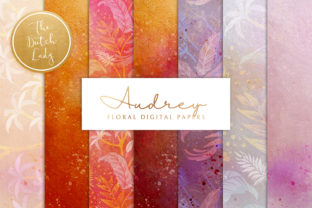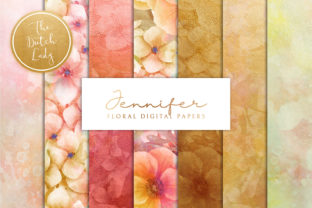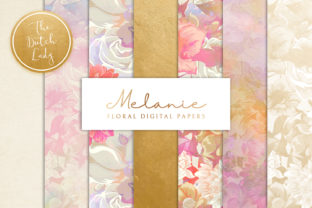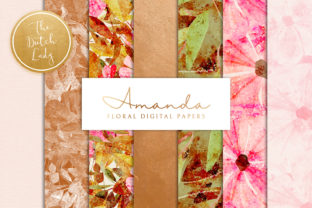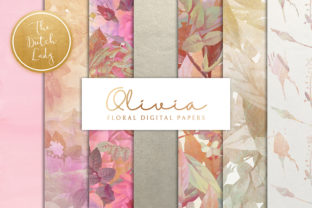
Floral Backgrounds Paper: Creative Uses & Specs
Elevating a digital project often comes down to the quality and character of the foundational layers. Floral Backgrounds Paper offers a versatile aesthetic solution for creators who need organic texture without the complexity of building patterns from scratch. This specific collection provides seven distinct digital paper image files designed to bring botanical warmth to screens and print media alike. Unlike repetitive seamless tiles, these compositions are treated as standalone artworks, offering a curated visual experience that feels intentional rather than algorithmic. For designers, marketers, and hobbyists, understanding the specific utility of non-seamless, high-resolution floral assets opens up new avenues for layout design, product merchandising, and digital storytelling.
Understanding the Technical Foundation
Before integrating these assets into a workflow, it is essential to understand the technical specifications that define their best use cases. This set includes seven unique JPEG files, each rendered at 300dpi with dimensions of 3600x3600 pixels. This resolution translates precisely to a 12x12 inch square at professional print quality. This size is significant because it aligns perfectly with standard scrapbooking formats, vinyl record covers, and many social media carousel templates.
The distinction that these patterns are not seamless is a critical feature, not a limitation. Seamless patterns are excellent for filling infinite space, but they can sometimes feel sterile or mass-produced. Non-seamless floral backgrounds function more like traditional art prints or designer stationery. They have a defined beginning and end, allowing you to treat the background as a framed element within your layout. When using image editing software, this encourages a compositional approach where text and focal points interact with the specific arrangement of blooms rather than floating over an endless field of identical repetition.
Print Applications and Physical Products
The 300dpi resolution ensures that colors remain vibrant and edges stay crisp when transferred to physical media. Because the files are sized at 12x12 inches, they are immediately ready for standard square printing formats without requiring upscaling, which can degrade image quality. Entrepreneurs and small business owners can leverage these Floral Backgrounds Paper files for tangible products that require a boutique aesthetic.
- Wall Art and Decor: Print the files directly onto matte or luster photo paper for instant botanical wall art. The non-seamless nature makes each print feel like an original painting rather than wallpaper.
- Apparel and Merchandise: Use the 3600px canvas as a placement print for t-shirts, tote bags, or hoodies. Centering the floral composition creates a balanced graphic tee design that appeals to adult demographics looking for sophisticated nature motifs.
- Ceramics and Drinkware: The square format adapts well to mug wraps or coaster sets. Ensure your printer’s color profile matches the RGB source file to maintain the intended vibrancy of the floral hues.
- Stationery Suites: Utilize the papers as backing for wedding invitations, greeting cards, or journal covers. The high resolution allows for detailed close-ups if you wish to crop specific sections of the flower arrangements for smaller items like thank-you notes.
Digital Design and Web Integration
In the digital realm, high-resolution assets provide flexibility. While 3600x3600 pixels is large for web use, starting with this level of detail allows you to scale down without losing clarity, ensuring your visuals look sharp on retina displays and high-density mobile screens. Bloggers and content creators can use these floral backgrounds to establish a consistent visual identity across platforms.
For website headers or blog post featured images, the non-seamless composition helps guide the viewer's eye. You can position text in the negative space of the floral arrangement, creating a natural hierarchy. Unlike busy seamless patterns that might compete with typography, these curated backgrounds often possess built-in balance points ideal for overlaying headlines or quotes. Digital card makers will find the 12x12 ratio particularly useful for e-cards and digital invitations, where the square format mimics the tactile feel of physical stationery while remaining optimized for email and messaging apps.
Strategic Editing and Workflow Considerations
Maximizing the value of this set requires appropriate tools and techniques. As noted, editing these digital papers necessitates dedicated image editing software such as Adobe Photoshop, Affinity Photo, GIMP, or Procreate. Basic photo viewers are insufficient for layering, masking, or color correction. Proficiency in these programs allows you to adapt the raw JPEG files to specific project needs.
Because the files are JPEGs rather than vectors or PSDs, they are flattened images. This means you cannot move individual flowers or change petal colors directly. However, this format offers advantages in file management and compatibility. To customize the backgrounds effectively, consider the following professional workflows:
- Layer Masking for Text Integration: Instead of placing text directly on top of a busy floral area, use layer masks to weave typography behind foreground elements. This creates depth and makes the text more legible while preserving the integrity of the floral design.
- Color Grading and Overlays: Apply adjustment layers to shift the color temperature or saturation to match your brand palette. A warm filter can make the florals feel vintage, while cooling the tones can create a modern, minimalist vibe.
- Texture Blending: Combine the floral JPEG with paper grain or watercolor textures using blend modes like Multiply or Overlay. This adds tactile realism to the digital file, bridging the gap between screen and print aesthetics.
- Smart Cropping: Since the image is 3600px square, you have ample room to reframe. Create vertical crops for Instagram Stories or Pinterest pins by selecting the most visually dense areas of the composition, effectively getting multiple assets from a single file.
Audience-Specific Adaptation Strategies
Different users will derive different values from Floral Backgrounds Paper based on their end goals. Educators and homeschoolers might use these backgrounds for certificate borders, lesson plan covers, or classroom decor that brings a calming, natural element to learning environments. The softness of floral imagery can reduce visual stress in educational materials compared to stark white backgrounds or chaotic graphics.
Marketers and freelancers can utilize these papers to soften corporate communications. A financial advisor or wellness coach might use a subtle floral background in presentation slides or PDF lead magnets to convey growth, stability, and approachability. The key is moderation; using the floral paper as a border or accent rather than a full-bleed background can maintain professionalism while adding personality.
For digital artists and mixed media creators, these files serve as excellent base layers. The high resolution supports heavy manipulation, allowing you to paint over the flowers, add digital collage elements, or use the botanical shapes as guides for hand-lettering. Treating the digital paper as a canvas rather than just a backdrop transforms it from a static asset into a dynamic component of original artwork.
Maintaining Quality and Organization
To keep your creative output consistent and professional, organize these assets systematically. Since the set contains seven distinct files, naming conventions matter. Rename files descriptively (e.g., "Floral_Paper_PinkPeony_300dpi.jpg") rather than relying on generic serial numbers. This saves time when searching for specific colorways or moods during active projects.
Always work on copies of the original files. Keep the master 3600x3600 JPEGs in a secure archive folder and duplicate them for editing. This preserves the pristine source material for future large-format prints. When exporting for web, remember to resize and compress appropriately to maintain site speed, but retain the high-res masters for any potential print-on-demand expansions.
Ultimately, Floral Backgrounds Paper serves as a bridge between traditional botanical illustration and modern digital utility. Whether you are printing physical merchandise, designing a blog layout, or crafting digital invitations, the combination of high resolution, substantial pixel dimensions, and intentional non-seamless composition provides a robust foundation. By leveraging proper editing software and understanding the unique characteristics of these files, creators can produce work that feels both polished and authentically organic. The versatility lies not just in the flowers themselves, but in how you choose to frame, edit, and apply them to connect with your specific audience.