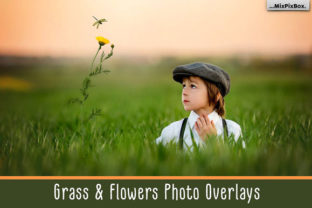
Elevating Digital Design with Authentic Grass and Flowers Photo Overlays
In the rapidly evolving landscape of digital creativity, the line between artificial generation and organic authenticity is becoming increasingly significant. For professionals, marketers, and enthusiasts alike, the demand for visual content that feels grounded, natural, and emotionally resonant has never been higher. This shift has brought Grass and Flowers Photo Overlays to the forefront of modern design workflows. Far more than simple decorative elements, these high-resolution textures represent a strategic tool for creators seeking to infuse their digital compositions with the tangible warmth of the natural world. As we navigate an era saturated with AI-generated imagery and sterile vector graphics, the return to photo-realistic assets based on real shots offers a refreshing counter-narrative that prioritizes texture, depth, and genuine aesthetic character.
The Renaissance of Organic Texture in Digital Media
The current creative industry is witnessing a pivotal transition. While minimalism and flat design dominated the previous decade, contemporary audiences are gravitating toward maximalist nature, biophilic design, and sensory-rich visuals. This trend is not merely aesthetic; it is psychological. Consumers and clients are seeking digital experiences that evoke the calmness and vitality of the outdoors. High-resolution textures of lawn, flowers, and tuffets serve as the bridge between the screen and the senses. When designers utilize thematically structured elements based on real photography, they are not just adding decoration; they are anchoring their work in reality.
This movement aligns with broader lifestyle and consumer trends where sustainability, wellness, and natural living are paramount. Whether designing a flyer for an eco-friendly brand, texturing a 3D model for an architectural visualization, or creating a greeting card background, the inclusion of authentic botanical elements signals a respect for organic beauty. The agony of choice often paralyzes designers when faced with generic stock libraries, but curated packs of specific, high-quality overlays streamline this process. By offering 60 distinct items ranging from separate plants to lush bouquets, these resources allow for rapid adaptation without sacrificing the bespoke quality that modern markets demand.
Beyond Decoration: Functional Versatility in Professional Workflows
For freelancers and entrepreneurs, efficiency is as critical as artistry. The practical application of Grass and Flowers Photo Overlays extends far beyond simple background replacement. These assets are engineered for professional integration across multiple disciplines. In the realm of 3D modeling and rendering, achieving realistic vegetation can be computationally expensive and time-consuming. Using PNG overlays with transparent backgrounds allows artists to create dense, variegated moods and foreground interest without the heavy polygon count of full 3D flora. This hybrid workflow accelerates production timelines while maintaining visual fidelity.
Similarly, in web design and digital marketing, these textures provide a vital layer of tactile engagement. A website featuring pastel and pure floral accents or vivid and rich greenery immediately communicates a brand’s tone before a single word is read. The versatility of having both delicate forget-me-nots and robust peony bunches at one's disposal means that a single asset pack can service diverse campaigns—from spring wedding invitations to summer festival promotions. This adaptability makes such texture packs an essential investment for agencies and solo creators who must pivot quickly between client needs while maintaining a consistent standard of quality.
Navigating the Agony of Choice with Curated Quality
One of the most persistent challenges in digital asset management is the paradox of choice. Having access to millions of low-quality images is often less useful than having access to sixty impeccable ones. The phrase "agony of choice" perfectly encapsulates the friction designers feel when sifting through inconsistent libraries. A dedicated pack of 60 high-resolution textures solves this by providing a cohesive, thematically consistent ecosystem of assets. Because these images are derived from real shots rather than algorithmic generation, they possess inherent lighting consistency and natural imperfections that sell the illusion of reality.
This curation brings sun, brightness, freshness, and natural design to the surface of any project. When a designer selects a rose bud or a tuffet of grass from this collection, they are choosing an element that has been vetted for transparency, resolution, and compositional balance. This reduces the cognitive load during the creative process, allowing the artist to focus on arrangement and storytelling rather than technical cleanup. The result is a workflow that feels fluid and intuitive, transforming what was once a tedious search for assets into a delightful exploration of botanical possibilities.
Technical Specifications and Software Compatibility
Understanding the technical foundation of these overlays is crucial for maximizing their utility. The pack comprises 60 items in PNG format, which is the industry standard for non-destructive editing due to its support for alpha channels. This transparency is non-negotiable for realistic texturing; it allows the grass, flowers, and leaves to sit seamlessly atop existing layers without jagged edges or white halos. The high-resolution nature of these files ensures that they remain crisp whether used in a small social media graphic or a large-format print advertisement.
Compatibility is another cornerstone of this resource’s value proposition. These overlays are designed to work with any software that supports layering, including Adobe Photoshop, Photoshop Elements, Paint Shop Pro, GIMP, and Affinity Photo. This broad compatibility ensures that professionals are not locked into a specific vendor ecosystem. However, users of non-layer-based software must exercise caution. Note to Lightroom users: please ensure you have a plugin or external editor capable of handling PNG layers, as Lightroom Classic does not natively support transparent overlay compositing in the same manner as pixel editors. Recognizing these technical boundaries prevents frustration and ensures that the assets are deployed in environments where they can truly shine.
The Emotional Resonance of Botanical Design
Ultimately, the enduring popularity of floral and grass textures stems from their ability to convey emotion. In a digital space that can often feel cold and impersonal, these overlays introduce a human touch. They bring floral freshness and green delight that triggers positive psychological associations with growth, renewal, and tranquility. For greeting cards and personal artwork, this emotional connection is the primary product. For commercial entities, it is a powerful branding differentiator.
The variety within the pack—spanning from the soft romance of lilies to the wild energy of lawn textures—allows creators to modulate this emotional impact precisely. Matching textures to create a completely new look is an exercise in visual empathy. A vivid, saturated bouquet might energize a sale announcement, while a muted, pastel tuffet might soothe the viewer on a wellness blog. This capacity to manipulate mood through natural elements is what separates competent design from compelling art. By integrating these photo-realistic components, creators are not just filling space; they are cultivating an atmosphere.
Future-Proofing Creativity with Timeless Assets
As technology continues to advance, the value of authentic, captured reality increases. Trends come and go, but the appreciation for natural beauty remains constant. Investing in high-quality, photograph-based overlays is a strategy for future-proofing creative output. Unlike stylized vectors that may look dated as design fashions shift, realistic grass and flowers retain their relevance because they mirror the timeless complexity of nature itself.
Furthermore, as remote work and digital interaction become permanent fixtures of modern life, the desire for biophilic connection in our digital environments will only intensify. Creators who master the use of these tools position themselves at the intersection of technological proficiency and natural aesthetics. Whether supplementing compositions with separate plants or building entire scenes around floral arches, the skills developed through working with these overlays are transferable and enduring. The pack with 60 high-resolution textures based on real shots is indeed beyond compliments; it is a foundational resource for anyone serious about bringing authentic, sunny, and vibrant life to their digital canvas.
In conclusion, the integration of Grass and Flowers Photo Overlays represents a sophisticated approach to modern design. It addresses the market's craving for authenticity, solves the logistical challenges of asset selection, and provides the technical flexibility required by professional workflows. By embracing these tools, creators do more than enhance their images; they enrich the viewer's experience, turning flat pixels into windows opening onto a brighter, greener, and more beautiful world. For the professional, the entrepreneur, and the artist, this is not just a purchase—it is an elevation of craft.